
Boards get better tree work when the bid packet looks like a job, not a hope. Davie HOA tree maintenance priced from a written scope is how you compare crews line by line and schedule around residents instead of around whoever called back first.
Ask each bidder how they will protect irrigation, pavers and the pool cage. A lift on the clubhouse lawn needs mats or a path the manager agrees to. Note that in the scope. Damage to common-area hardscape should have a process: photo, repair, who pays. That sentence in the packet is worth more than a verbal “we’ll be careful.”
If the association wants a three-year rotation, say so in the RFP so the first-year price is not a loss-leader that vanishes in year two. A rotation also lets residents see oaks done one winter and palms the next, which is easier to explain at the annual meeting than a single giant invoice.
Close the loop in writing when the work is accepted. A one-paragraph email from the manager — date, scope complete, punch list empty — is the document the next board will look for. Keep it with the insurance certificate and the marked map.
HOA boards and property managers: call KAP Tree Service at (754) 291-6477 for a free estimate.
Put a real scope of work in the request
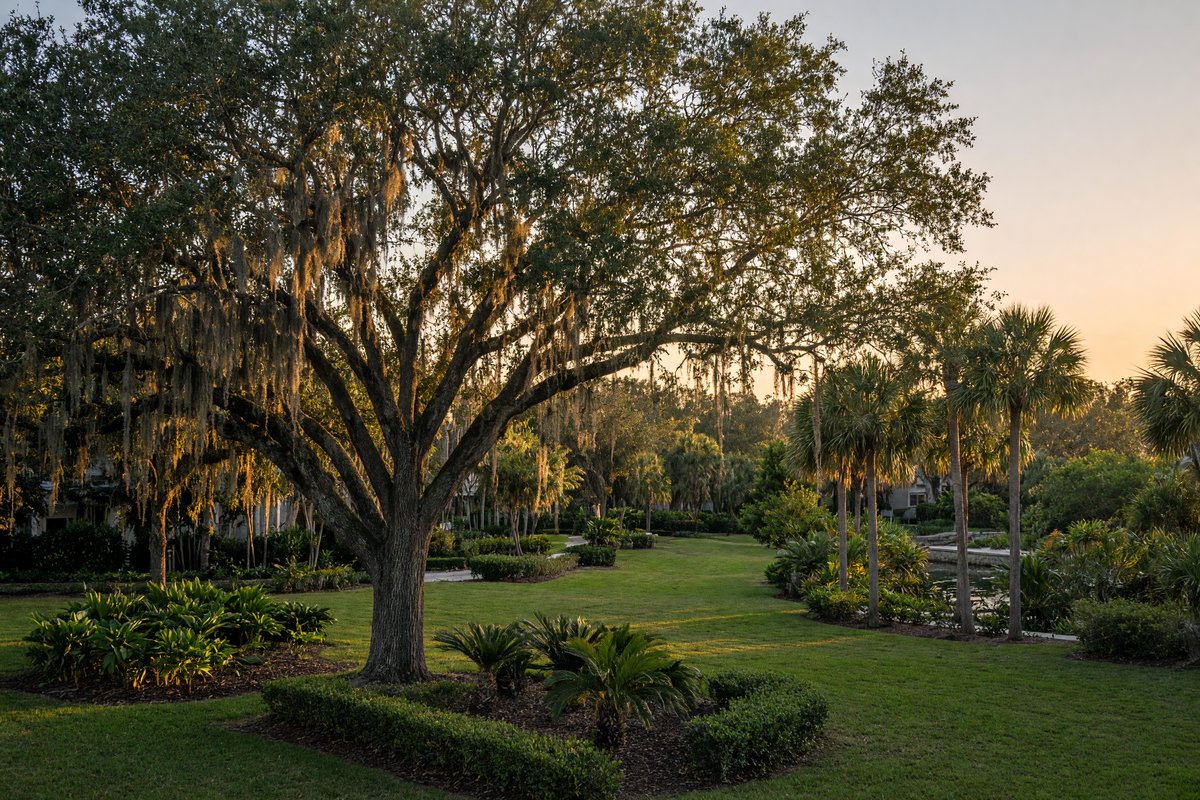
Count the trees. Name the species if you can: live oak, black olive, mahogany, royal, sabal, coconut. Group them by location — entrance, clubhouse, lake bank, interior streets. State the standard: thinning and reduction, deadwood, palm cleaning with the green head left on, debris hauled off site, stump grinding yes or no. “Trim the common areas” produces five prices for five different jobs.
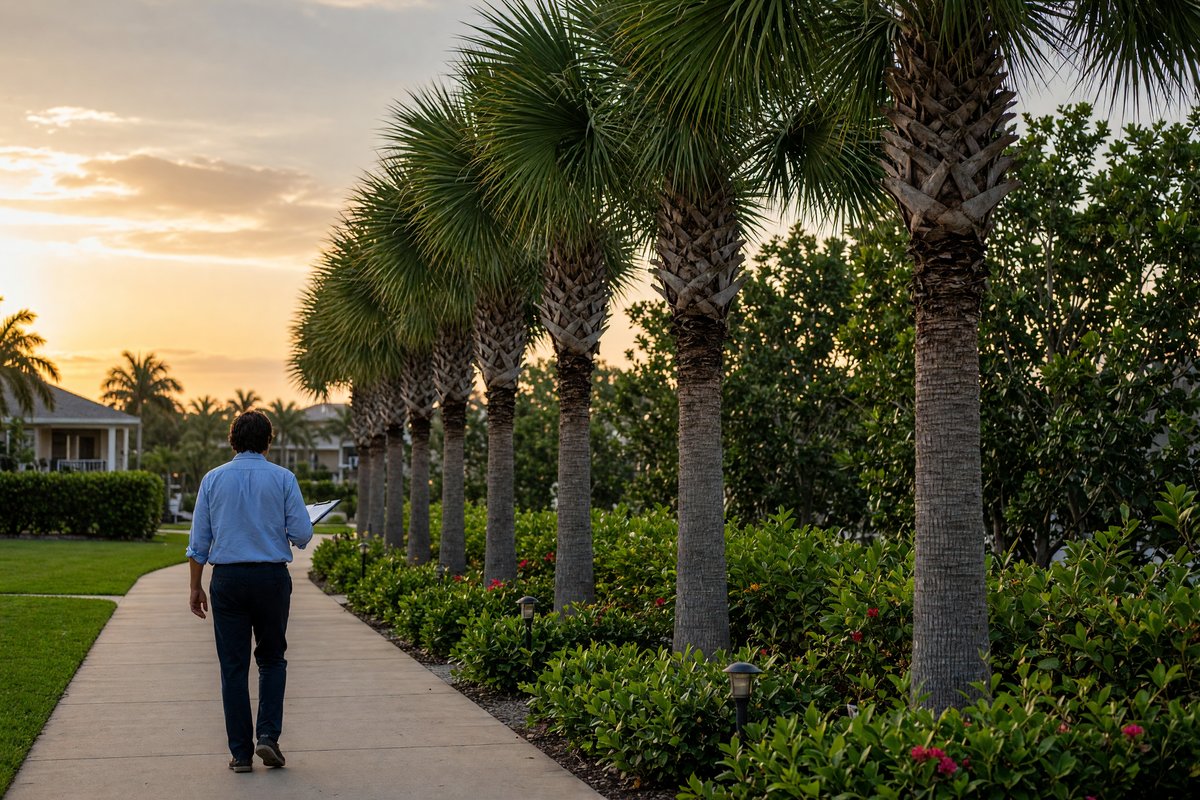
Attach a map and photos. Walk the site with anyone you might hire. The same oak over a pool cage is not the same as the same oak in an open lawn. Communities in Parkland with larger lots still need that map; acreage does not replace a list.
If a removal is in the packet, say so, and point the manager at davie-fl.gov for the Town’s current tree-removal process. The crew does not issue the permit. The association still has to follow the Town.
Insurance, licensing and who is on the property
Ask for a certificate of insurance that shows general liability and workers’ compensation, current dates, and the association named as certificate holder if your attorney wants that. The name on the certificate should match the name on the bid. Ask what licenses they hold and write down what they say. Check it. A truck with a logo is not a certificate.
Ask who is climbing, who is on the ground, and whether a lift or a chipper will sit in the guest lane. Gate codes, dumpster placement and hours the association allows work should be in the bid so the price includes waiting at the gate.
For the homeowner version of this homework, how to choose a tree service in Broward covers the same documents. The board version adds the map, the resident notice, and a single point of contact on the management side.
Compare bids on the same lines
Line 1: listed trees, listed work. Line 2: haul-off. Line 3: stumps. Line 4: palms as a group. Line 5: extras (night work, crane, traffic control) only if the site needs them. If one bid is half another, they are not bidding the same list. Ask each bidder to initial the scope page.
This page does not quote dollars. Size, access, species, proximity to buildings, and whether the wood leaves the site are what move a number. A cheap total that leaves chips in the swale and the stump in the lawn is not cheaper for the association. The manager finds that out when residents photograph the pile.
Schedule around people, not just around the crew
Pick weekdays if the clubhouse hosts weekend events. Keep a lane open. Send the two-line email: dates, streets, where to park, that private lots are separate contracts. If school buses use the loop, start after the morning run. If a storm is on the Gulf, freeze the cosmetic work and keep the hanging wood on the list.
Build a rain day into the contract. Broward afternoons in fall still flood a lawn. A crew that has to come back should already know they will be paid to finish, not to argue.
After the work: photos, extras and next year
Walk with the manager before the trucks leave. Photograph entrances and the dark sidewalks at dusk if lighting was in the scope. Change orders — “while you’re here, take that oak” — go in writing the same day. Then drop the completed list into next year’s calendar so the new board is not starting from zero in January.
Keep the certificate of insurance with the paid invoice. That folder is the association’s memory when someone asks in March who climbed the royal palms.
Ask each bidder how they will protect irrigation, pavers and the pool cage. A lift on the clubhouse lawn needs mats or a path the manager agrees to. Note that in the scope. Damage to common-area hardscape should have a process: photo, repair, who pays. That sentence in the packet is worth more than a verbal “we’ll be careful.”
If the association wants a three-year rotation, say so in the RFP so the first-year price is not a loss-leader that vanishes in year two. A rotation also lets residents see oaks done one winter and palms the next, which is easier to explain at the annual meeting than a single giant invoice.
Close the loop in writing when the work is accepted. A one-paragraph email from the manager — date, scope complete, punch list empty — is the document the next board will look for. Keep it with the insurance certificate and the marked map.
HOA boards and property managers: call KAP Tree Service at (754) 291-6477 for a free estimate.
